SRI LANKAA Wild Island
Discover the animals, forests, wetlands and oceans that make Sri Lanka one of the world's most remarkable wildlife destinations.
Small Island, Incredible Density
Mammal Species
DWC Sri Lanka
Bird Species Recorded
BirdLife International
Endemic Bird Species
BirdLife International
National Parks
DWC Sri Lanka
Endemic Mammal Species
IUCN Red List
UNESCO World Heritage Sites
UNESCO
Within 65,610 km²
One Island. Many Worlds.
Sri Lanka contains dramatically different habitats within a remarkably small area — from ancient dry forests to cloud-shrouded rainforests, highland grasslands to coral-rich ocean.
Dry Forest
Seasonal rainfall 900–1,900mm/year. Hot, dry period May–September.
Covering approximately 70% of Sri Lanka, the dry zone's forests and scrublands are the heartland of the island's megafauna — elephants, leopards, and sloth bears.
Wildlife Found Here
Key Locations
Species Guide
Where Can I Find It?
Select an animal to discover its habitat, behaviour, and the national parks where it can be encountered.
Select an animal to discover where it lives, how it behaves, and which parks to visit.
24 Hours in the Wild
A Day in the Wild
Wildlife activity changes throughout the day. Explore how Sri Lanka's wild animals move through the hours.
Sunrise
5:30–7:00 AM
The forest awakens with birdsong. Temperatures are cool and animals begin moving as light filters through the canopy.
Safari Tip
The golden hour is ideal for wildlife photography and safari drives.
Typical Activity
Leopards returning from night activity
Elephants at water sources
Birds beginning dawn chorus
Deer grazing open glades
When to Visit: 12-Month Calendar
Sri Lanka’s monsoons create shifting wildlife hotspots year-round. Select any month to discover peak animal sightings, migrations, and climate conditions.
Seasonal Highlights for August
- "The Gathering" at peak at Minneriya and Kaudulla
- One of the best months for elephant viewing
Primary Recommended Activities:
Explore Sri Lanka's Wild Refuges
From world-renowned leopard sanctuaries to ancient cloud forest reserves, discover where Sri Lanka's wildlife finds refuge.
Yala National Park
✨ High leopard density
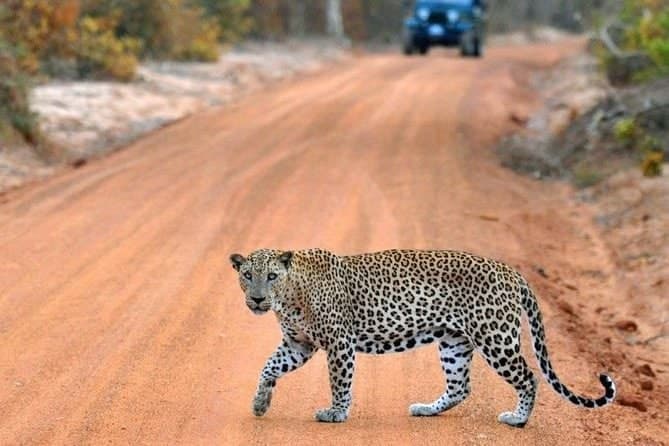
Sri Lanka's most-visited and arguably most biodiverse national park. Widely regarded as one of the world's best locations to observe leopards in the wild.
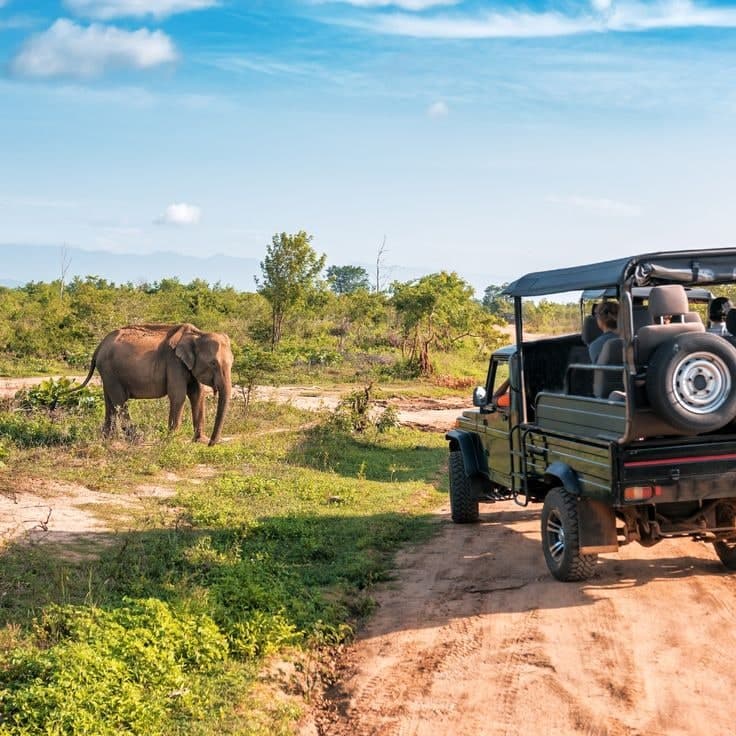
Udawalawe National Park
✨ Large resident elephant population
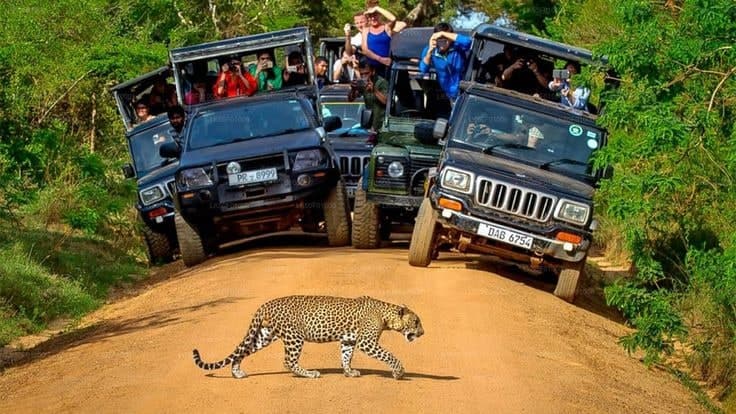
Famous for its large, easily-observed elephant population gathered around the Udawalawe reservoir. Often called the best park in Sri Lanka for elephant sightings.
Wilpattu National Park
✨ Natural villus (sand-rimmed lakes)
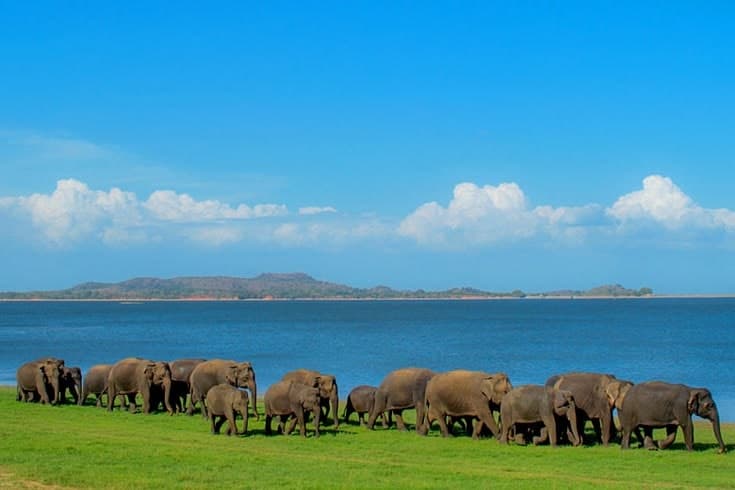
Sri Lanka's largest national park, characterized by its unique "villus" — natural lakes formed in sandy basins. Less visited than Yala, offering a more secluded wildlife experience.
Minneriya National Park
✨ "The Gathering" (July–October)
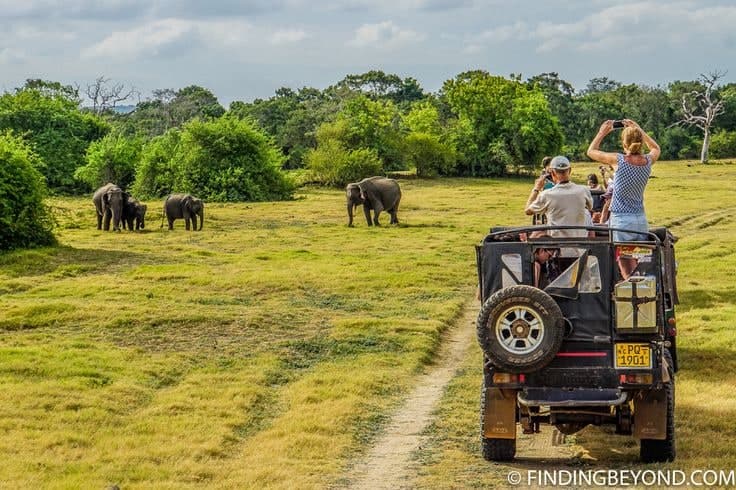
Home to the world-famous "The Gathering" — one of the largest assemblies of wild Asian elephants, drawn to the Minneriya tank as water levels fall during the dry season.
Kaudulla National Park
✨ Large reservoir
Adjacent to Minneriya, Kaudulla National Park offers similar wildlife experiences with fewer visitors. Elephants move between these two parks seasonally.
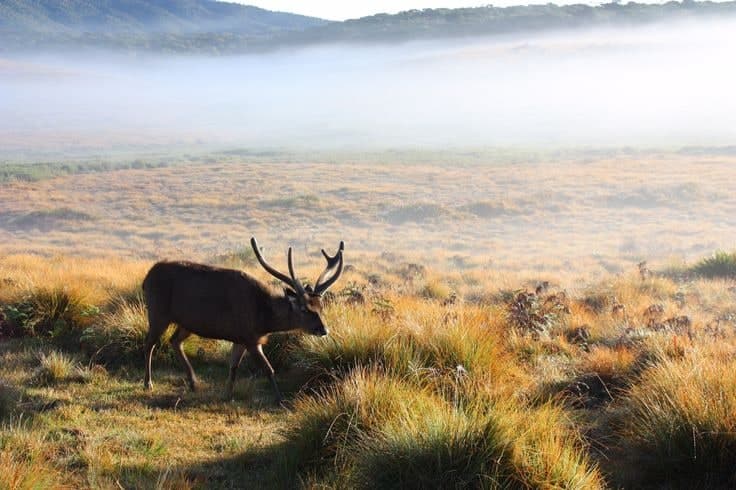
Horton Plains National Park
✨ UNESCO World Heritage Site
A UNESCO World Heritage Site at over 2,100m altitude. Home to the endemic sambar deer and the famous "World's End" escarpment with dramatic views.
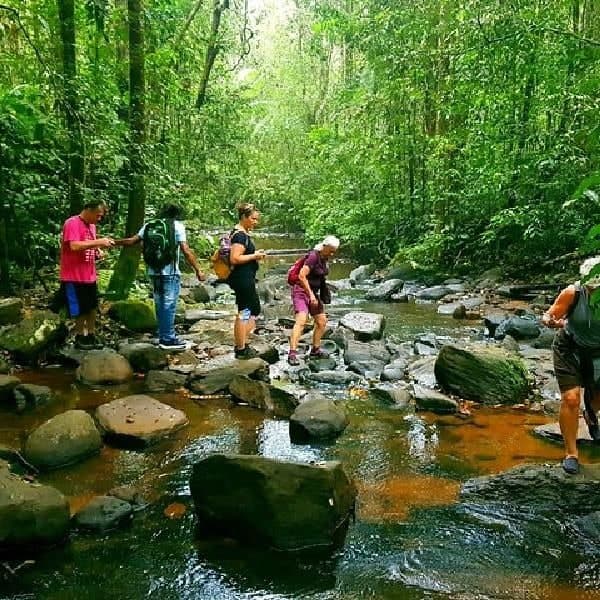
Sinharaja Forest Reserve
✨ UNESCO World Heritage Site
Sri Lanka's last viable primary rainforest and a UNESCO World Heritage Site. Home to over 60% of Sri Lanka's endemic tree species and extraordinary endemic bird diversity.
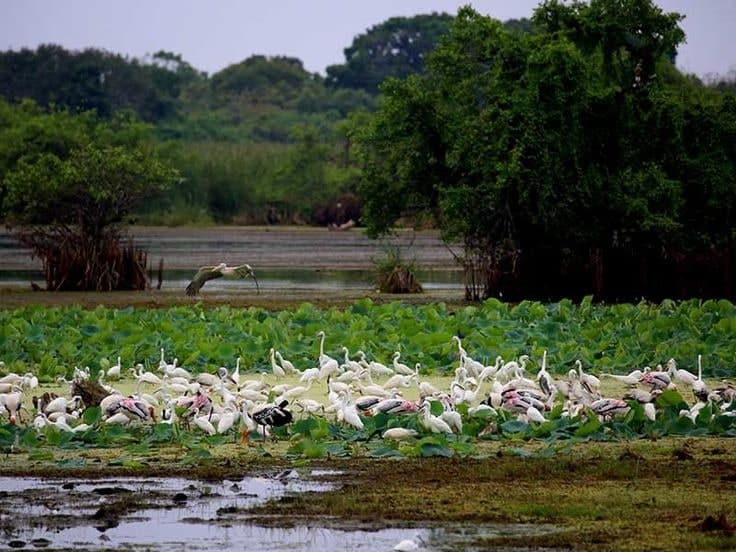
Wasgamuwa National Park
✨ Less crowded
A quieter alternative to Yala, Wasgamuwa offers good elephant and leopard sightings in a less-visited setting in Sri Lanka's north-central region.
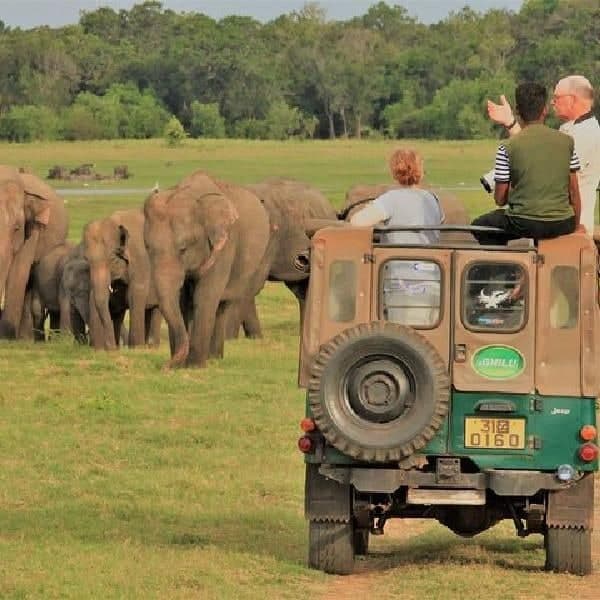
Gal Oya National Park
✨ Boat safari on Senanayake Samudra
Home to the Senanayake Samudra — Sri Lanka's largest reservoir. Gal Oya offers a rare opportunity to observe elephants swimming between islands, accessible by boat safari.
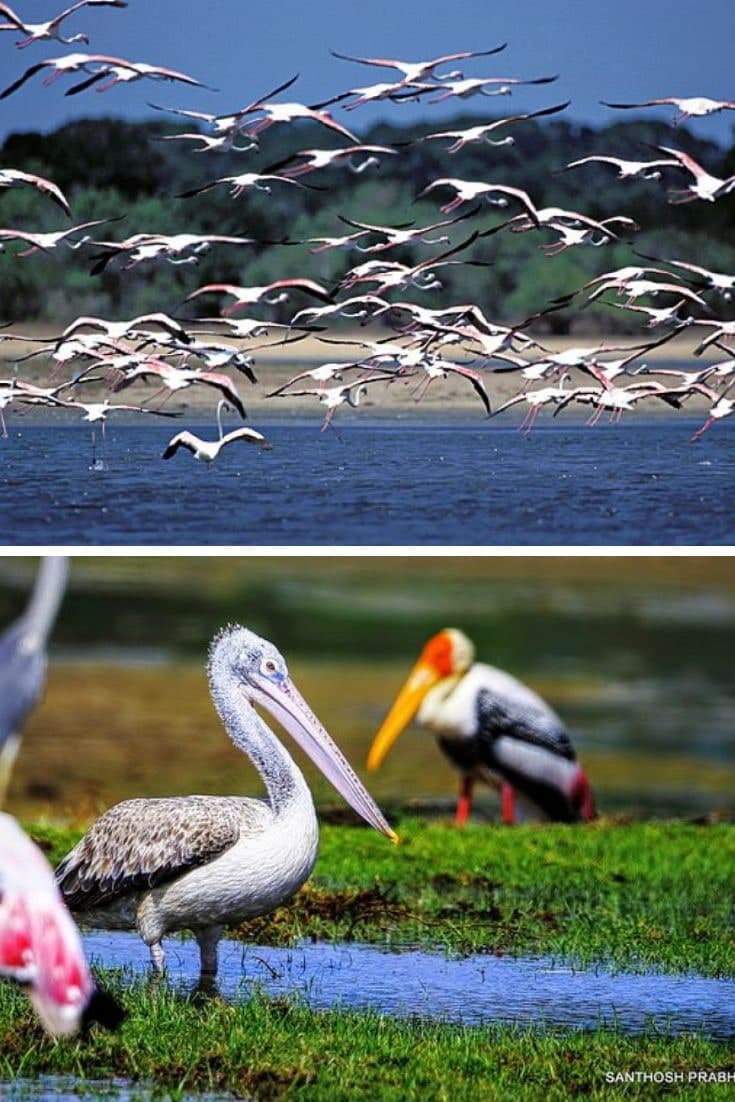
Bundala National Park
✨ Ramsar Wetland designation
A UNESCO Ramsar Wetland and Biosphere Reserve, Bundala is one of the most important bird habitats in Sri Lanka — particularly for migratory species including flamingos.
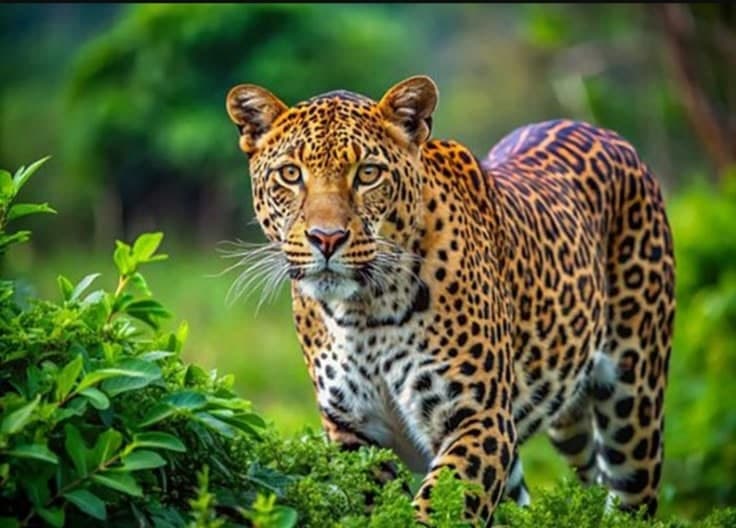
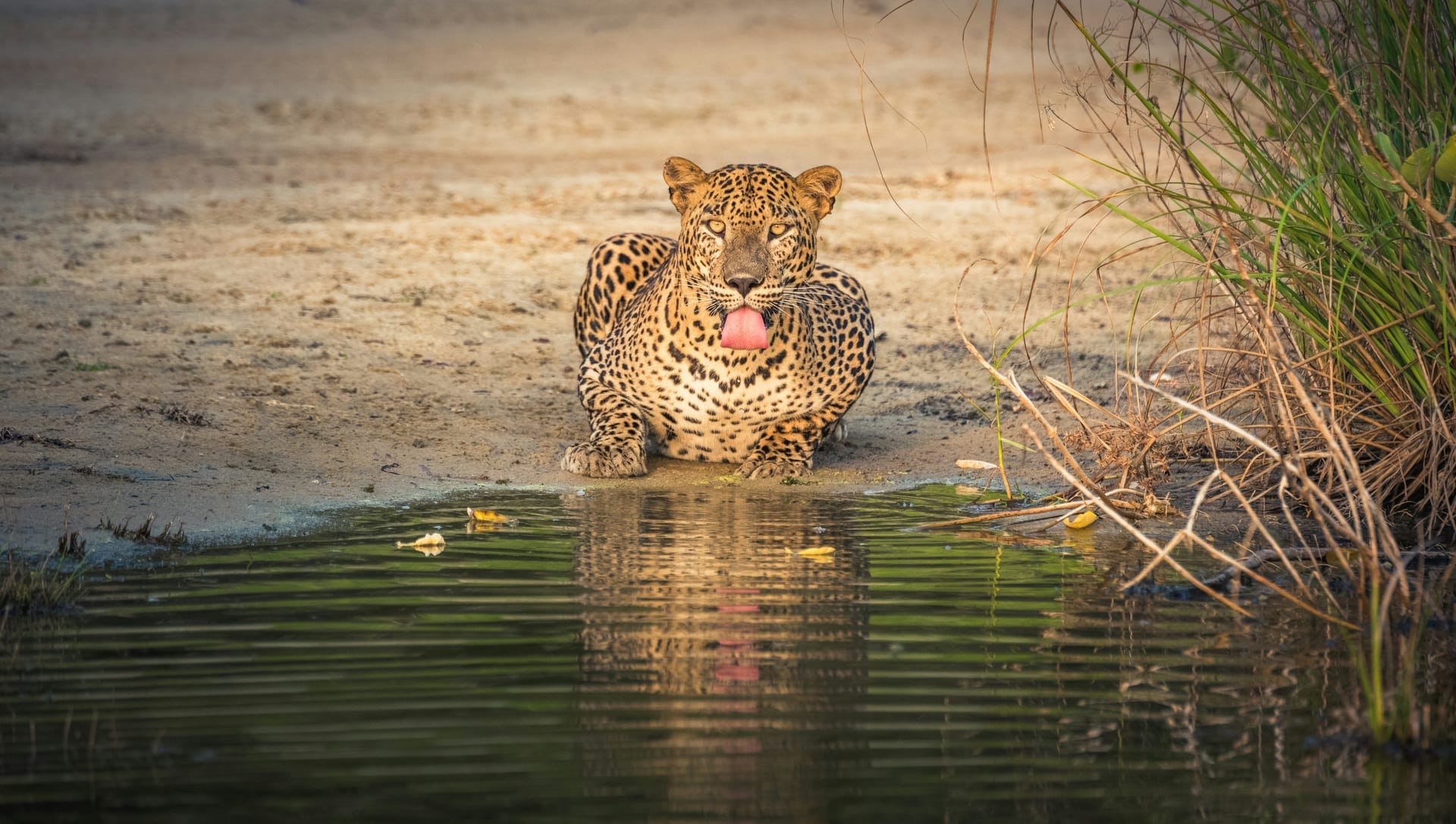
Apex Predator of Yala
"A stealthy Sri Lankan leopard lounges in the coastal dry forest, reigning over the world's highest leopard density."
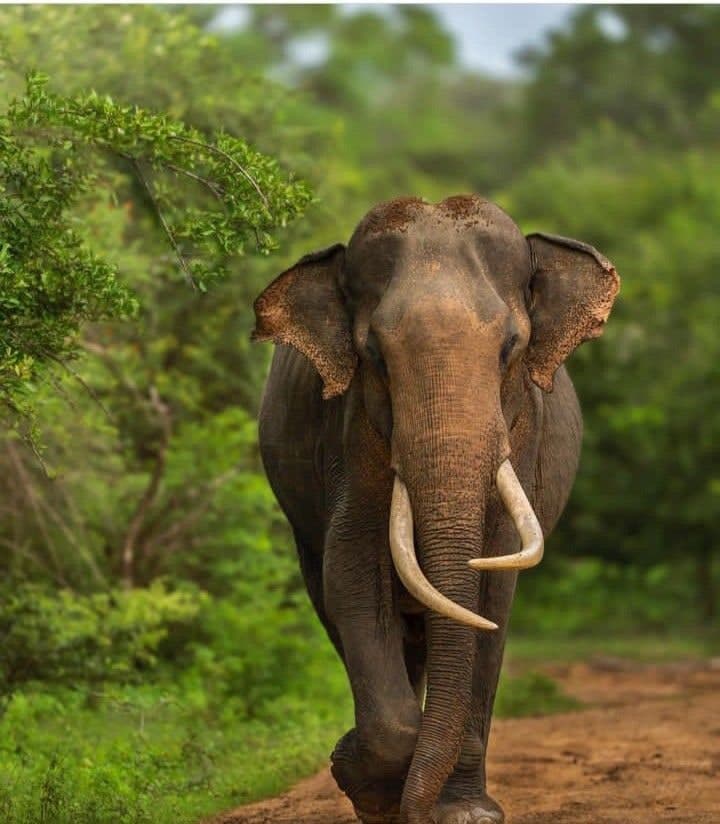
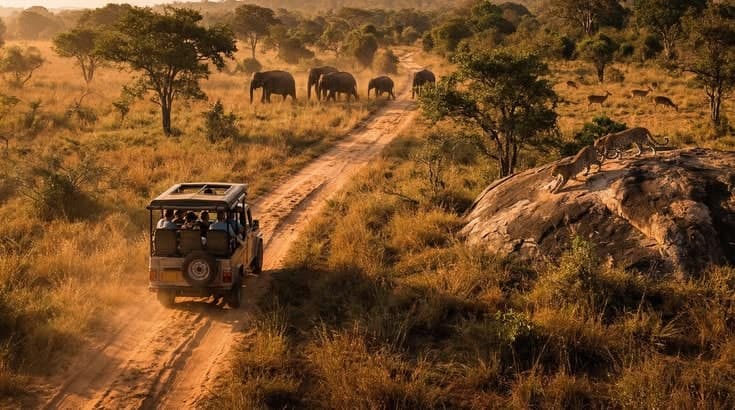
The Great Elephant Gathering
"Hundreds of wild Asian elephants congregate on lush reservoir beds in Asia's most iconic annual mammal spectacle."
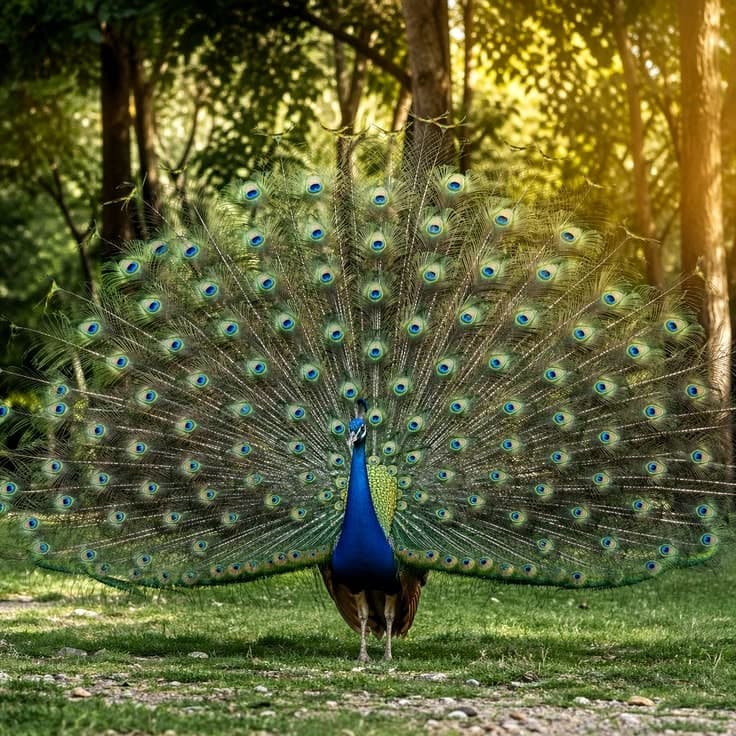
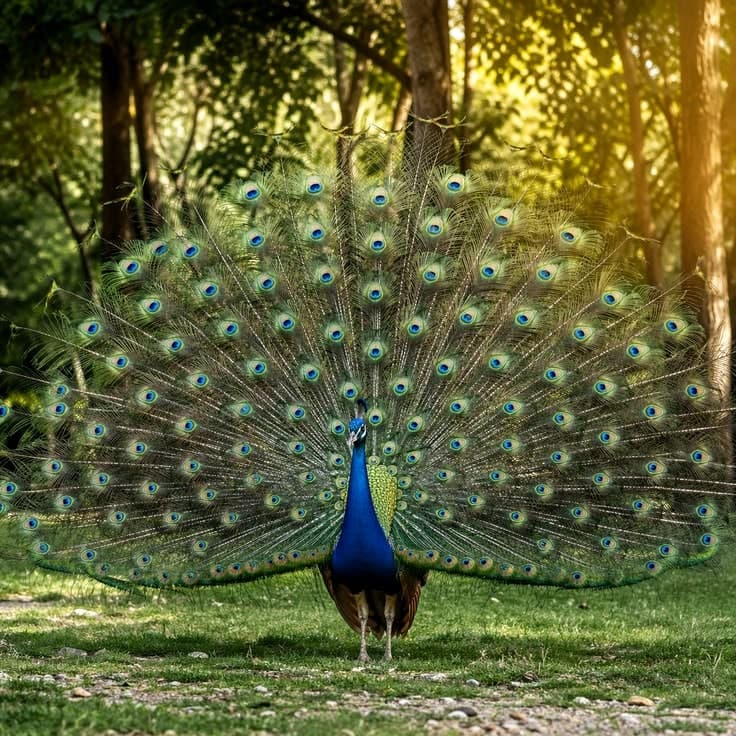
The Sacred Dance of the Peafowl
"Iridescent jewel tones shimmer across the savanna as the Indian peafowl displays its magnificent courtship train."
The Last Rainforest Canopy
"Sinharaja — Sri Lanka's final primary rainforest — shelters over 60% of endemic tree species in an ancient cathedral of living green."
Conservation & Ethical Safari Code
Protecting Sri Lanka's unique biodiversity requires active conservation and responsible travel practices. Discover ongoing protection initiatives and how to leave no trace.
Key Protection & Research Projects
Leopard Conservation Project (ALCP)
Lead: Wilderness & Wildlife Conservation Trust
Mapping leopard home ranges outside national parks to establish wildlife corridors and prevent human-leopard conflict.
Elephant Corridor Reconnection
Lead: Department of Wildlife Conservation
Constructing electric fences managed by local communities and planting barrier trees to protect both crops and elephant migratory pathways.
Sinharaja Rainforest Buffer Zone
Lead: Rainforest Protectors Sri Lanka
Reforesting degraded tea plantation edges bordering Sinharaja to restore crucial canopy bridges for endangered endemic birds and primates.
Ethical Visitor Code
Rules for a zero-impact digital & real safari
Keep Safe Distance
Never encourage drivers to get closer than 20 meters to leopards or mother elephants.
Silent Engines
Ask your safari driver to turn off the engine when observing resting wildlife to reduce distress.
Zero Plastics
Carry all plastic water bottles and wrappers back out of the national park boundaries.
No Feeding or Baiting
Wild animals must never associate humans with food to prevent dangerous behavioral changes.
Step Beyond the Screen into Sri Lanka's Wild Kingdom
Plan your customized wildlife expedition with verified expert naturalists, ethical 4x4 safaris, and luxury jungle lodges.